What Is a Mortise Lock and Why Do Older Homes Have Them?
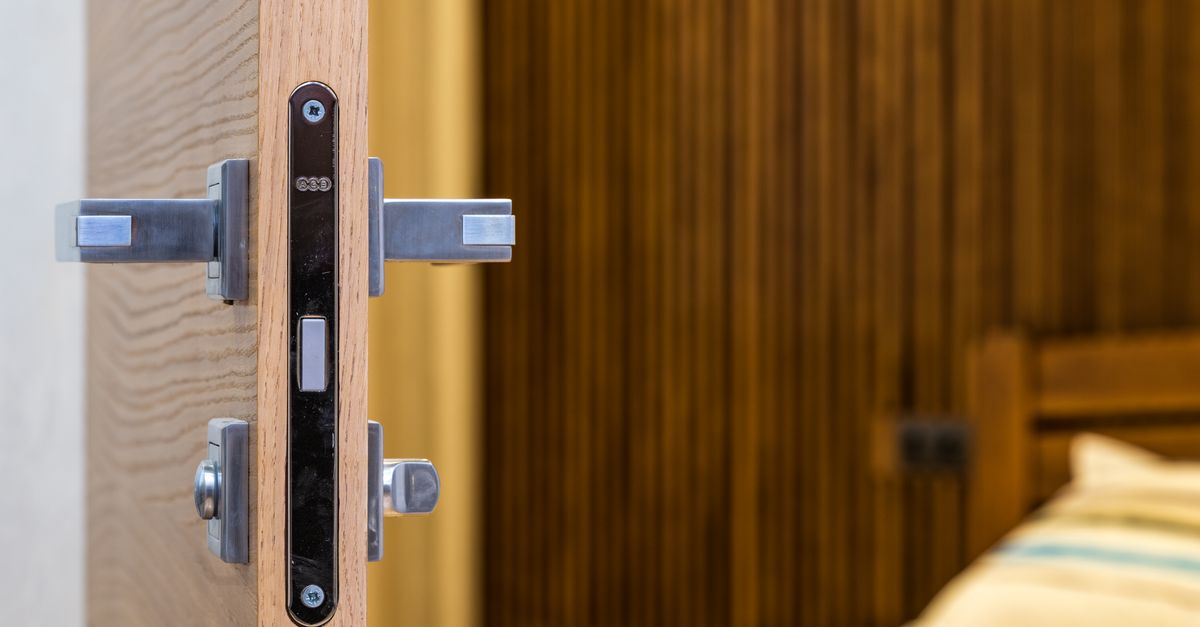
A mortise lock is fundamentally different from the surface-mounted or bored cylindrical locks sold at big-box hardware stores today. The entire lock body — a rectangular steel or brass case roughly three to five inches tall — is set into a precisely cut pocket, or mortise, in the edge of the door. Projecting from the face plate are the latchbolt and deadbolt, operated by a turn of the knob spindle and the keyway respectively. The mortise lock cylinder itself threads into the lock body from the face of the door and drives an internal cam or tailpiece that throws the bolt. This integrated design is what made the mortise lock the industry standard through most of the twentieth century: it is mechanically robust, difficult to kick in because the bolt engages deep into the strike, and fully rebuildable without replacing the door.
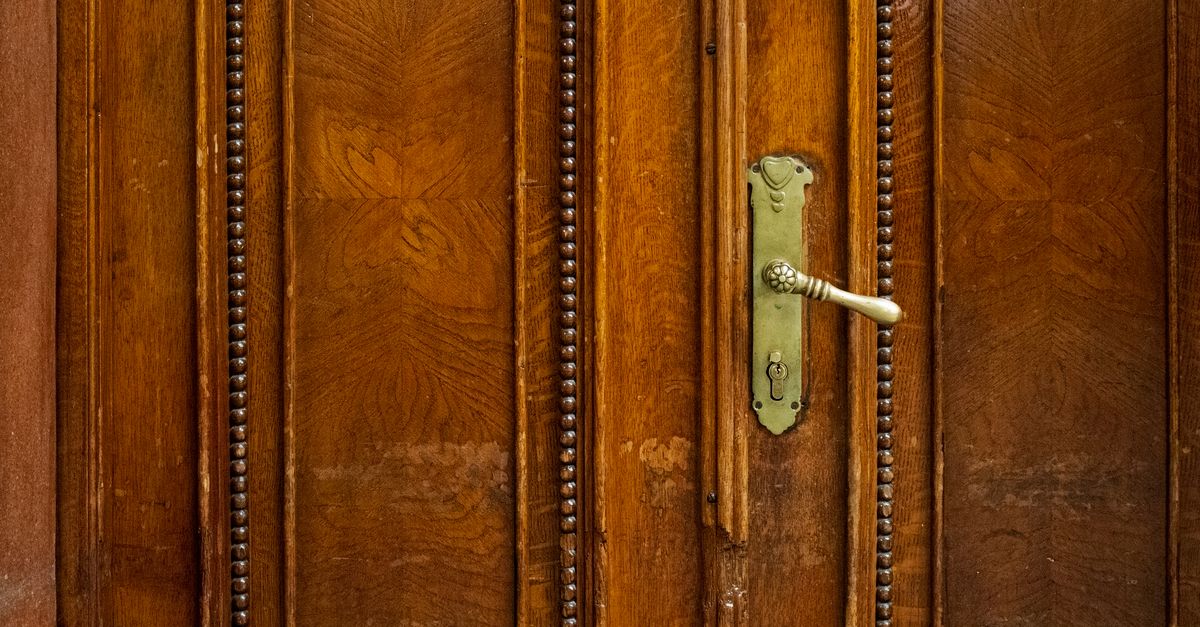
Chesterfield County's older housing stock — particularly neighborhoods like Ettrick, the original sections of Chester, and the pre-war blocks near the Chesterfield Courthouse — is filled with these mechanisms. They were installed when doors were solid wood at two inches thick or more, and the hardware was expected to outlast the owners. Many of them have done exactly that. The problem is that decades of paint, humidity swings, wood movement, and deferred maintenance create a set of failure modes that are specific to mortise hardware and that a locksmith unfamiliar with the design can easily misdiagnose.